-min.png)
Text & Data Visualisation: Shaza Al Muzayen
Editor: Sakina Mohamed
%20Strait%20of%20Hormuz%20Traffic%20Drops.png)
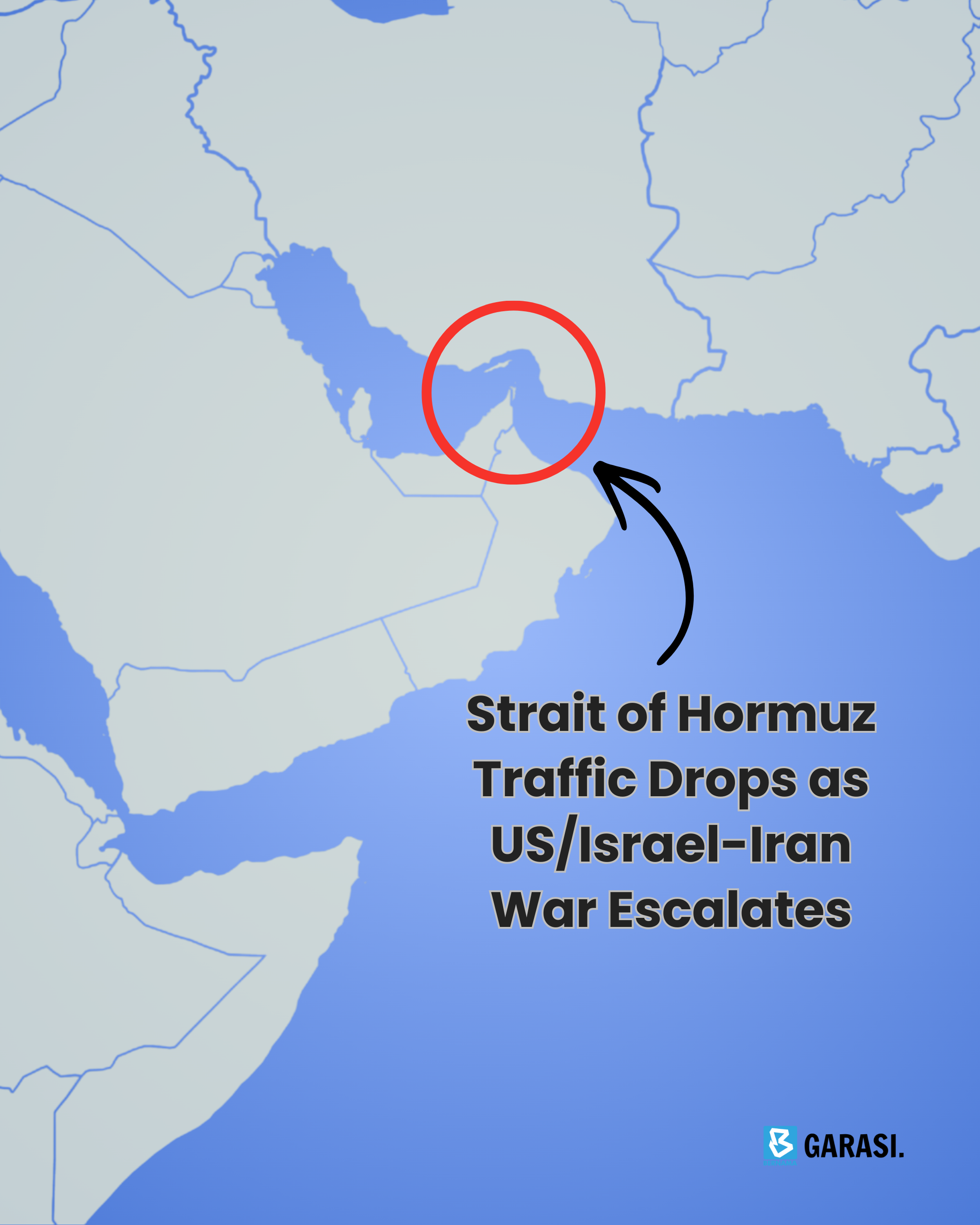
March 12, 2026 (Bernama) -- Escalating US/Israel-Iran conflict is disrupting traffic in the Strait of Hormuz, a key global oil corridor.
Shipping is paralyzed by voyage delays and rising insurance costs, pressuring energy supplies and oil prices.
On the day of the first attack on Tehran (Feb 28, 2026), transits fell from 148 to 105. By March 6, traffic plummeted to just seven ships.
This explainer can also be viewed on our Instagram page.